 25-Jun-2026
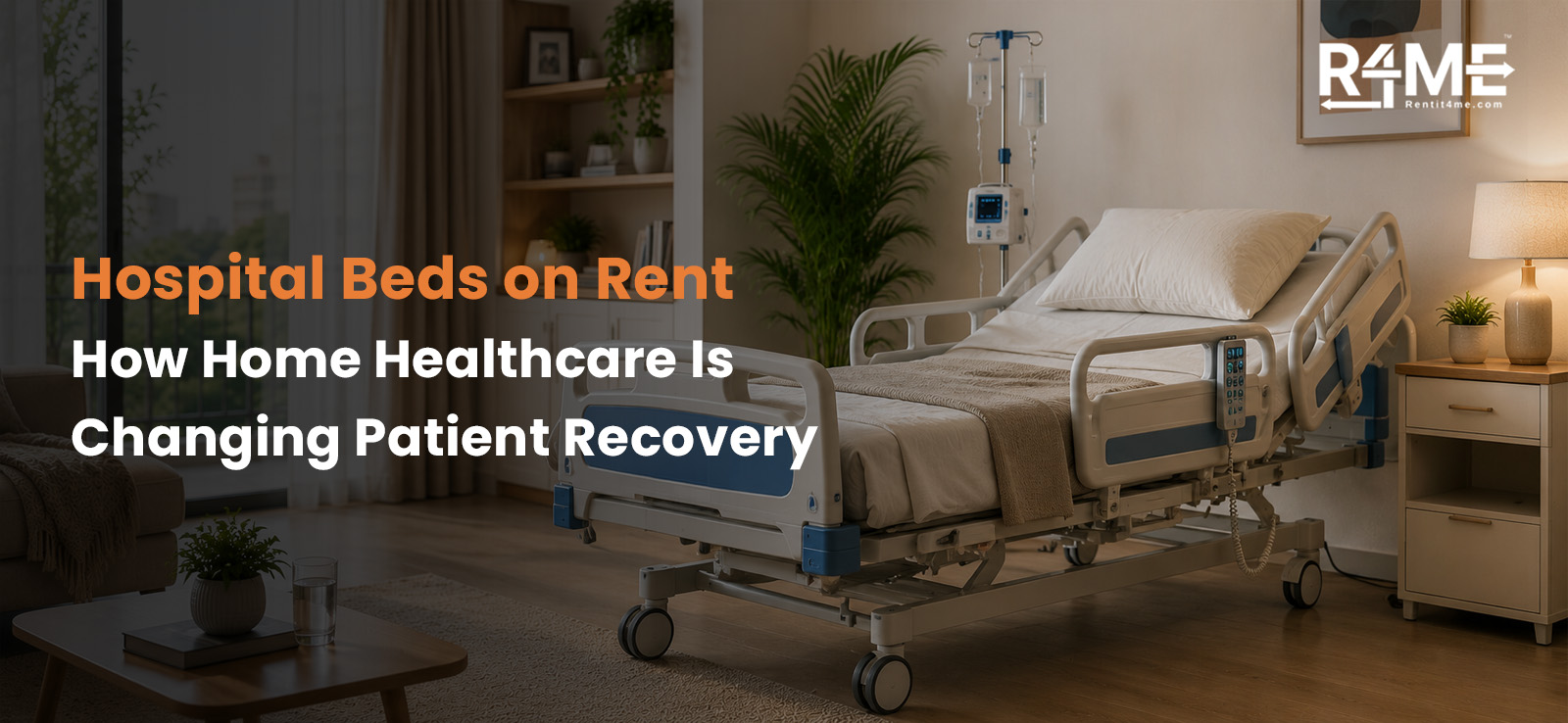
Post-hospitalisation recovery presents one of the most critical and often underestimated challenges in patient care. When a family member is discharged following a major procedure such as a hip replacement or a stroke, the medical team may recommend six to twelve weeks of supervised rest. Yet the domestic environment is rarely equipped to meet the clinical demands of such a recovery. Without the appropriate infrastructure, families find themselves caught between the financial burden of a prolonged hospital stay and the practical limitations of an unprepared home.
Across India, millions of families face this exact challenge every year. And a quiet but powerful shift is underway: instead of prolonging expensive hospital stays or struggling with improvised home setups, families are now renting hospital-grade beds and bringing clinical-quality recovery home. It is changing lives and it is changing what recovery itself means.
India's healthcare system, though rapidly improving, still faces significant bed-occupancy pressures in major cities. A general ward bed in a private hospital in Mumbai, Delhi, or Chennai can cost anywhere from ₹2,000 to ₹8,000 per day — and that is before medicines, doctor visits, nursing charges, and food. For post-operative or recuperative care where active medical intervention is no longer needed, these costs are not just heavy on the pocket — they are avoidable.
What most families do not realise is that the primary reason for extended hospital stays in such cases is often infrastructure, not medical necessity:
No adjustable bed at home for a post-surgical patient who cannot lie flat
No side rails to prevent falls for elderly patients
No pressure-relieving mattress for bedridden patients at risk of bedsores
No way to elevate the head or legs without discomfort
Renting a hospital bed solves all of this at a fraction of the daily hospital tariff. Suddenly, going home becomes medically viable days or even weeks earlier.
Many families assume a rented hospital bed is simply a sturdier version of a regular bed. It is far more than that. A proper medical-grade hospital bed is a sophisticated piece of equipment designed specifically for patient safety, caregiver ease, and clinical-quality support.
Key features of a hospital bed that matter at home:
Adjustable backrest and leg-rest positions — essential for post-cardiac, post-abdominal surgery, and orthopaedic recovery
Height-adjustable frames allows easy transfer and prevents caregiver back injuries
Lockable wheels lets the bed be moved for cleaning and repositioned as required
Side rails critical fall-prevention for patients with weakness, confusion, or mobility issues
IV pole compatibility for patients receiving IV fluids or drips at home under medical supervision
Anti-decubitus (air-bubble) mattress options prevent painful and dangerous pressure sores in bedridden patients
For a stroke patient, cancer patient undergoing home-based palliative care, or someone recovering from a major orthopaedic surgery, these features are not luxuries they are clinical necessities.
India's home healthcare market is growing at a remarkable pace, driven by an ageing population, rising chronic disease burden, post-COVID awareness of hospital-acquired infections, and the simple desire of Indian families to care for their elders at home. The cultural preference in India the instinct to bring a sick family member home, surround them with love, and nurse them back to health in familiar surroundings has always existed. What lacked was the right equipment to make it clinically safe.
Hospital bed rental bridges that gap. It brings clinical infrastructure into the home and in doing so, it makes the deepest Indian instinct (caring for family at home) medically sound.
Hospital beds on rent are not exclusively for the critically ill. Across India, families rent them for a wide range of situations:
After knee replacements, hip surgeries, spinal procedures, or abdominal operations, patients cannot use a regular flat bed safely. Adjustable hospital beds allow precise positioning for wound care, breathing comfort, and drainage — all critical in the weeks after surgery.
Stroke survivors often require extended periods of bed rest with careful positioning to manage paralysis, prevent contractures, and support respiratory health. Side rails and adjustable sections are indispensable for this patient group.
India has a rapidly growing population of elderly citizens, many of whom live with mobility limitations, falls risk, or age-related conditions like Parkinson's and dementia. A hospital bed at home dramatically reduces fall incidents and makes daily caregiving bathing, dressing, feeding manageable for family members.
For patients receiving palliative care, the quality of life in their final months and weeks is profoundly shaped by comfort. A good adjustable bed, paired with an anti-bedsore mattress, is among the most meaningful gifts a family can provide. Home-based palliative care is growing in India, and equipment rental is at its foundation.
Road accidents are tragically common in India. Patients recovering from fractures, spinal injuries, or head trauma often require weeks of careful positioning and immobilisation. Hospital beds make this possible at home, where emotional support from family accelerates healing.
India's home healthcare conversations almost always focus on the patient. But let us talk about the caregiver often a daughter, daughter-in-law, spouse, or son who is providing round-the-clock support while managing their own life, job, and family.
Caring for a bedridden patient on a regular charpoy or even a standard double bed is physically gruelling. Back injuries among home caregivers are extremely common. Repositioning a patient, helping them sit up, or assisting with bedpans on an unadjustable surface requires enormous effort and causes real harm over weeks of caregiving.
A height-adjustable hospital bed changes everything for the caregiver. The bed comes to the caregiver, not the other way around. The ability to raise the head section means less manual lifting. The side rails mean less anxiety about leaving the patient alone for even a few minutes.
When we think about hospital bed rental, we should think of it as caring for the caregiver as much as the patient. That too is an act of love.
A good quality adjustable hospital bed in India can cost anywhere from ₹15,000 for basic models to ₹80,000 or more for full electric ICU-grade units. For a recovery period of two to four months — after which the family hopefully never needs it again — this is a significant and often wasteful expenditure.
The rental alternative:
Monthly rentals for a good hospital bed typically range from ₹1,500 to ₹4,000, depending on type and city
No storage problem once recovery is complete
“No maintenance responsibility”- servicing is on the rental company
Upgrade to a different model mid-rental if medical needs change
Delivery, installation, and pickup included zero logistics stress for the family
For most Indian families, a three-month rental costs less than ₹10,000, a fraction of the purchase price, and almost certainly far less than even a single additional day in a private hospital.
The COVID-19 pandemic permanently changed how Indians perceive hospitals. Hospital-acquired infections (HAIs), the anxiety of crowded wards, and the helplessness of not being able to visit loved ones during critical illnesses these experiences left a deep mark.
Today, families are far more willing to bring patients home as soon as it is medically safe to do so. Home recovery means a controlled environment, familiar faces, home-cooked food that follows dietary guidelines, and zero risk of cross-infection from other patients.
Reputable rental providers sanitise and disinfect beds between patients using hospital-grade protocols, ensuring the equipment arriving at your home is thoroughly cleaned and safe. When in doubt, always ask your rental provider about their sanitisation process it is your right to know.
Sunita, a working mother of two in Jaipur, was dreading the logistics when her 72-year-old father-in-law needed a hip replacement. The orthopaedic surgeon cleared him for home recovery on Day 5 post-surgery. A rented adjustable hospital bed arrived at their home the same morning. Ramesh was able to sleep, eat, and do his physiotherapy exercises comfortably. Sunita managed his care before and after her work hours. He walked unaided within six weeks.
When Priya's mother suffered a mild ischaemic stroke, the family chose to bring her home after the initial acute phase in hospital. A semi-fowler position hospital bed with side rails was delivered to their flat in Saket. The air-mattress add-on prevented pressure sores during the weeks she spent in bed. The family's physiotherapist made home visits and used the bed's adjustability as part of the rehabilitation programme.
Not all hospital bed rentals are for the elderly. After a complicated C-section, Ananya found it painful and difficult to use her standard bed at home. Her husband rented an adjustable hospital bed for six weeks. The ability to raise the backrest without assistance meant she could breastfeed comfortably and get in and out of bed without putting stress on her incision.
Not all hospital beds or rental providers are equal. Here is what to ask:
Manual vs Electric — Manual beds are more affordable and suitable for most recoveries. Electric beds (operated by remote or handset) offer greater comfort and independence for patients.
Single vs Double Articulation — Single-section beds adjust the backrest only. Double-articulation (Fowler position) beds adjust both back and legs, needed for orthopaedic and post-surgical patients.
Mattress Type — Ensure a good quality foam or air mattress is included. Standard mattresses are not appropriate for patients who are bedridden for extended periods.
Weight Capacity — Verify the bed's load capacity suits the patient's weight.
Delivery and Setup — Ensure the rental includes home delivery, professional assembly, and a demo on how to use the bed safely.
Sanitisation Certificate — Ask if the unit has been cleaned to medical standards before delivery.
Flexible Rental Period — Choose a provider who allows you to extend or return early without heavy penalties.
There is something irreplaceable about recovering in your own home, the smell of your mother's cooking, the sound of familiar voices, the comfort of your own pillow and the view from your own window. Medical science increasingly confirms what Indian families have always believed: love is therapeutic. Environment matters. Home heals.
Hospital beds on rent make that healing possible safely, affordably, and with the clinical quality your loved one deserves. Whether recovery takes three weeks or three months, you deserve equipment that supports both the patient and the people caring for them.
Rentit4me delivers hospital-grade beds, mattresses, and home healthcare equipment across India with same-day delivery in select cities, professional setup, and a support team that understands what your family is going through.
Bring the hospital home. Leave the worry behind.
 Welcome to Rentit4me

